
Public referendum for clean drinking water - pro and contra
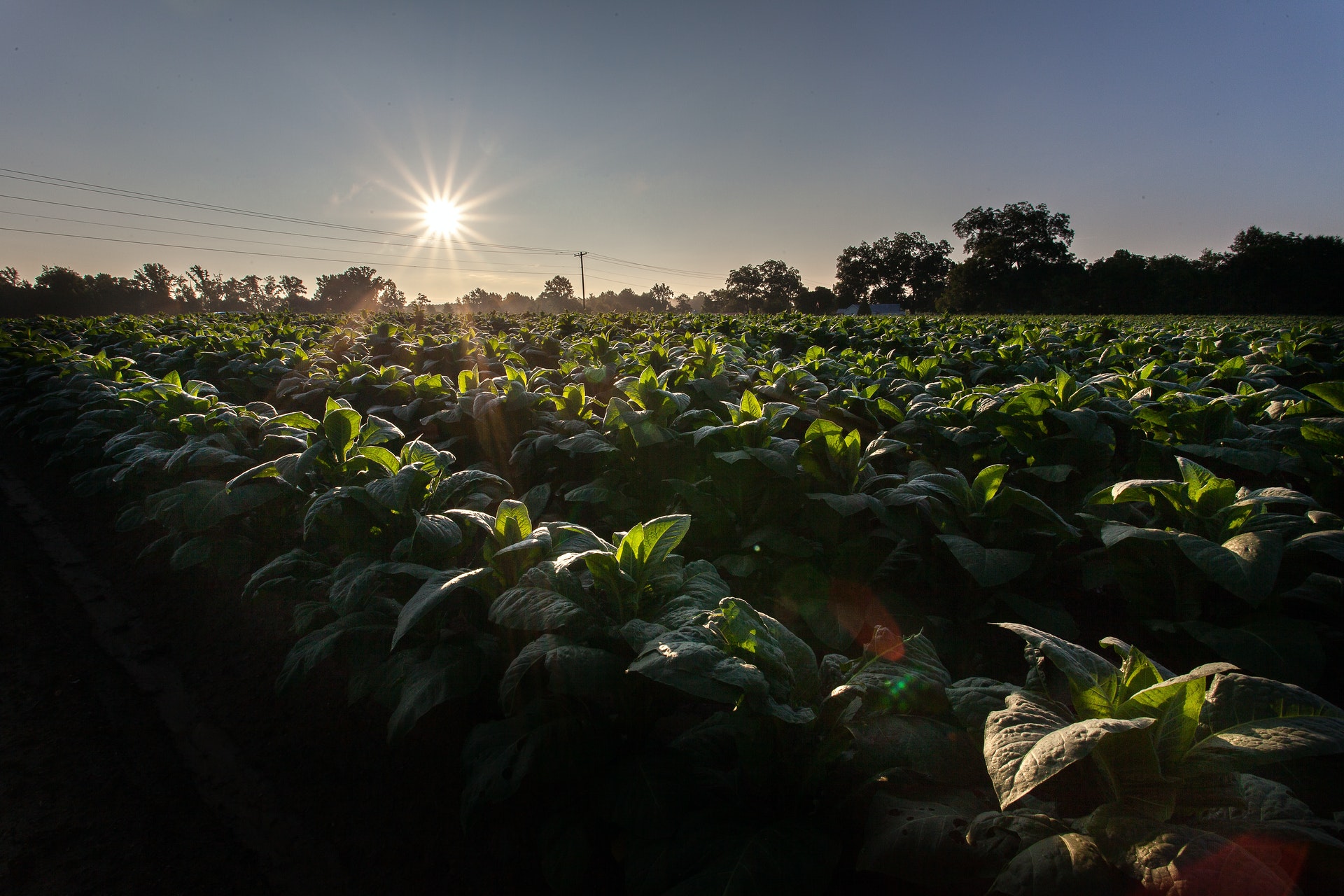
Drinking water is the best-monitored foodstuff in Switzerland. However, this is threatened by intensive agriculture. More and more regions in Switzerland no longer meet the requirements for groundwater to be used as drinking water, as elevated concentrations of hazardous substances such as pesticides and nitrates have been detected. This results in costly and time-consuming water treatment. The Initiative for Clean Drinking Water advocates food production free of synthetically produced pesticides and a livestock that can be fed with local fodder and renounces the prophylactic use of antibiotics.
The initiative is triggering fierce discussions in society and shows that it is a highly topical issue. The arguments even diverge within the communities of interest, but what the discussion shows is that something has to change.
Bio Suisse: Organic farmers argue about drinking water initiative (nzz.ch)
NZZ am Sonntag - E-Paper
Pro
- Use subsidies to promote sustainability
- Antibiotic resistance is being developed and is life-threatening
- Pesticides in drinking water endanger health
- Manure surpluses cause carcinogenic nitrates in drinking water.
Contra
-
Production costs for farmers and prices for consumers increase
-
Self-sufficiency in Swiss vegetables will be reduced
-
There will be more food waste because the risk of failure will increase and more will have to be produced.
-
Without pesticides there will be more imports
How much plant protection product is used in Switzerland?
✪ According to the Federal Office for Agriculture, 1950 tonnes of plant protection products were sold in Switzerland in 2019. In general, the sale of pesticides is decreasing, but the sale of products that can be used in organic farming, such as sulphur and parafin oil, is increasing rapidly. This is due to the increase in organically cultivated agricultural land. 16.5% of the farmland is already cultivated according to organic standards, and the trend is rising. However, this also means that the concentration of pesticides is hardly changing, as they are now applied on a smaller area.
Where do the pesticides in the groundwater come from?
According to the Waters Protection Ordinance (WPO), water quality in both surface and underground waters should "...not contain any artificial, persistent substances...". Plant protection products are detected in more than 50% of all groundwater monitoring sites. If one focuses on intensively used agricultural areas, it is even more than 90% of the measuring points.
What are the most common pesticides in drinking water?
According to pesticide sales statistics, the most commonly used pesticides are glyphosate, bentazone, metolachlor, atrazine, chloridazon (beet herbicide) and chlorothalonil.
Glyphosate is marketed under the brand name Roundup© and is the best-known and most widely distributed crop protection product. It was originally developed by the Swiss chemist Henri Martin in 1950, but it took until the early 1970s for Monsanto to discover its effectiveness as a herbicide. Annual production in 2012 was around 720,000 tonnes, 15% of which was in the USA. Here in Switzerland, consumption is declining, but over 125 tonnes are still used per year.
Where do nitrites and nitrates come from?
Nitrates enter our soils and drinking water mainly from two sources. On the one hand, nitrogenous fertiliser, and on the other hand, animal excrements which are spread on the meadows and fields as liquid manure and slurry.
Especially for small children and infants, an increased nitrate concentration poses a health risk, as it partially converts the nitrate into nitrite, which is carcinogenic.
How can you check your drinking water?
Our professional water analyses test your drinking water for a wide range of pesticides, glyphosate as well as nitrate and nitrite concentrations and other harmful, toxic heavy metals.
Unsere professionellen Wasseranalysen untersuchen Ihr Trinkwasser auf die unterschiedlichsten Pestizide, Glyphosat sowie auf Nitrat- und Nitritkonzentrationen und andere schädliche, toxische Schwermetalle.
 Water analysis pesticides
  Water analysis Glyphosate
  Water Test Opti
  Water analysis well water Opti